
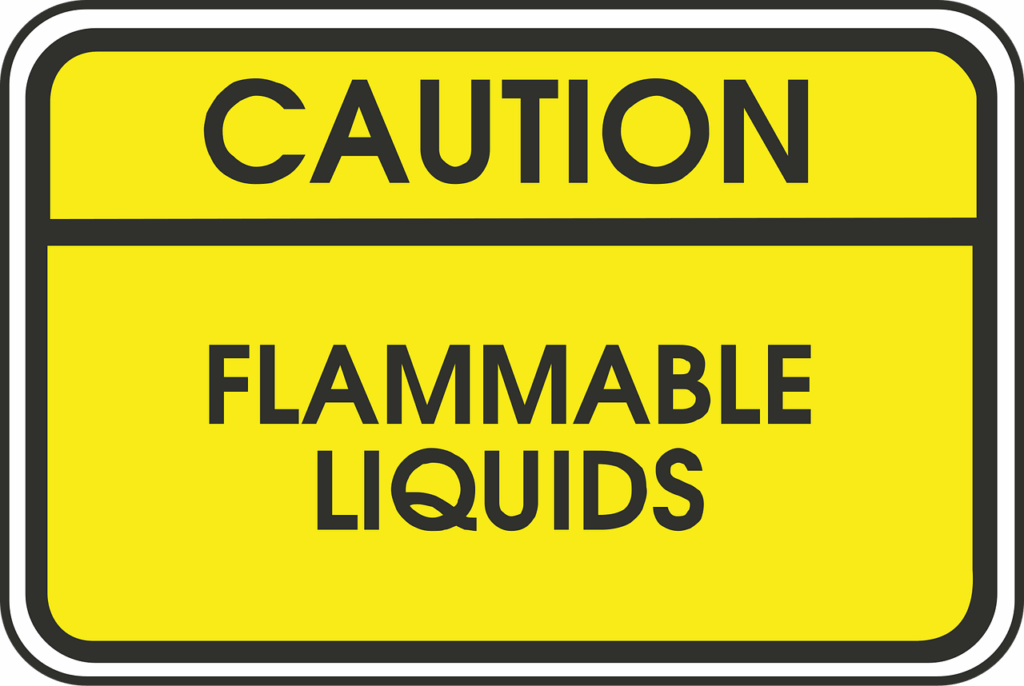
Shipping Dangerous Goods (DG) can be tricky. A single missing document or misclassified package can lead to costly penalties, shipment rejection, or even legal issues. Whether you’re sending chemicals, lithium batteries, or pharmaceuticals, following a structured DG shipment compliance checklist ensures smooth clearance and safe transit.
In this blog, we’ll walk through mandatory compliance steps, highlight common mistakes to avoid, and share pro tips from Aipex Worldwide to help your business avoid rejections.
Why DG Shipment Compliance Matters
Dangerous Goods are highly regulated under IATA DGR and UAE customs laws. Failing to comply can result in:
- Heavy fines
- Shipment delays or returns
- Blacklisting by carriers
- Legal liability in case of accidents
For businesses in the UAE, where aviation logistics is a core trade driver, ensuring DG compliance is not just a regulatory need—it’s a competitive advantage. Companies working with specialists like Aipex’s DG courier service in Dubai gain peace of mind knowing shipments meet global standards.
Step-by-Step DG Shipment Compliance Checklist
1. Correct Classification
Every DG item must be classified under the UN number and hazard class. For example, lithium batteries fall under Class 9. Misclassification leads to automatic rejection.
2. Accurate Documentation
Always include:
- Shipper’s Declaration for Dangerous Goods
- Material Safety Data Sheet (MSDS)
- Air Waybill with DG details
If you’re unsure, you can follow our guide on How to Courier Class 3 and Class 8 Dangerous Goods from UAE Internationally.
3. Proper Packaging & Labeling
DG packaging must meet UN-certified standards. Labels such as “Flammable Liquid” or “Corrosive” must be clear and compliant with IATA guidelines.
4. Carrier & Route Approval
Not all airlines accept DG cargo. Always check availability and approvals in advance. Working with experts in airfreight shipping in UAE ensures smoother routing.
5. Customs Compliance
UAE Customs requires accurate declarations. Failing to disclose DG correctly can result in penalties. Refer to UAE Federal Customs Authority for regulations.
Costs, Customs & Regulations
| Compliance Area | Risk if Ignored | Authority / Reference |
|---|---|---|
| Classification | Shipment rejection | IATA DGR |
| Documentation | Penalties & delays | IATA Dangerous Goods Regulations |
| Packaging | Cargo refusal | ICAO / Airline guidelines |
| Customs | Legal penalties | UAE Customs Authority |
Pro Tips for Hassle-Free DG Shipping
- Train your staff in DG handling before shipping.
- Use tech-enabled tracking tools like Aipex’s live shipment updates.
- Pre-clear documents with the airline to save time.
- Partner with experts who specialize in shipping sensitive aircraft components via airfreight for smooth compliance.
Common Mistakes to Avoid
- Misclassifying hazardous items (e.g., lithium batteries labeled as normal cargo).
- Missing or incomplete shipper’s declaration.
- Using non-UN certified packaging.
- Not checking airline acceptance before booking.
- Assuming “small quantities” don’t need DG compliance.
FAQs
Q1: What is the most common reason DG shipments get rejected?
Improper documentation—especially missing shipper’s declaration.
Q2: Can I ship DG via express courier in UAE?
Yes, through specialists like Aipex Worldwide’s DG courier service.
Q3: Do small quantities of chemicals still require DG declaration?
Yes. Even small quantities must be declared and packaged per IATA rules.
Q4: What happens if DG is undeclared?
The shipment may be confiscated, and shippers face heavy fines.
Conclusion
DG shipment compliance isn’t optional—it’s the only way to avoid penalties, delays, and rejections. By following this checklist, businesses can ensure shipments move safely and legally.
👉 Ready to ship Dangerous Goods without the risk? Contact Aipex Worldwide today for expert DG courier and airfreight solutions.