
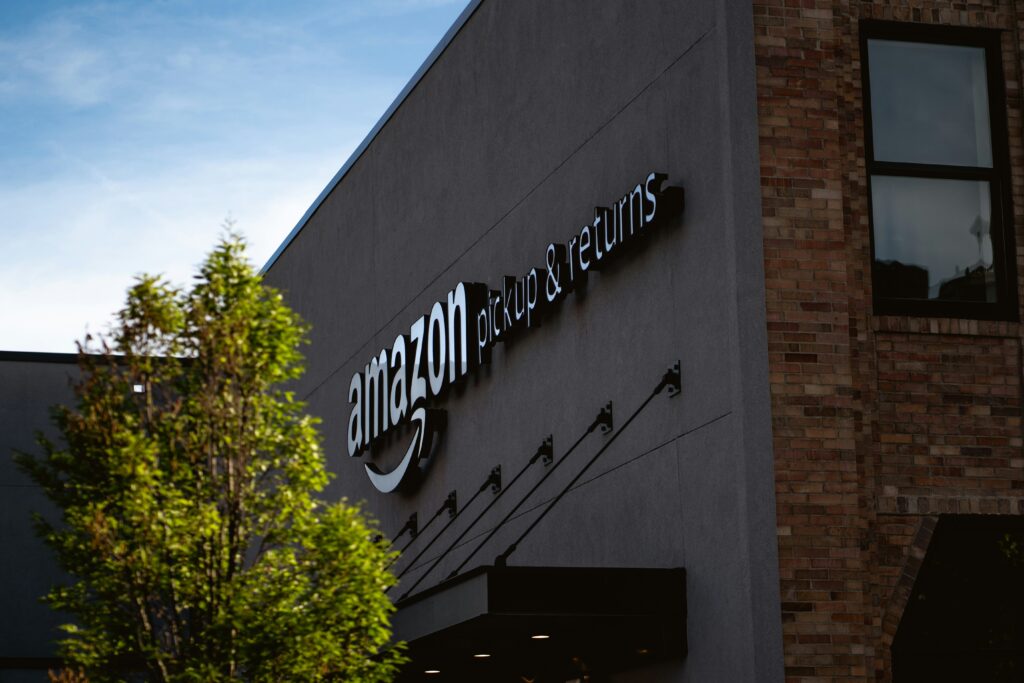
Amazon FBA delivery in Dubai helps sellers store inventory closer to customers and improve delivery speed. Because Dubai is a major logistics hub, many international and regional sellers choose the UAE to serve Middle East markets through Amazon Fulfillment Centers.
However, shipping inventory to Amazon FBA is not as simple as sending a normal courier parcel. Sellers must follow Amazon’s strict requirements for packaging, labeling, documentation, and customs clearance. Therefore, understanding the process is critical to avoid delays or rejections.
This guide explains how Amazon FBA delivery in Dubai works, step by step, and how sellers can ship inventory smoothly.
What Is Amazon FBA Delivery in Dubai?
Amazon FBA (Fulfillment by Amazon) allows sellers to send products to Amazon’s fulfillment centers. Amazon then handles storage, packing, delivery, and customer service.
In Dubai, Amazon operates fulfillment centers that serve UAE and regional customers. As a result, sellers benefit from faster delivery times and higher customer trust.
To ship inventory successfully, sellers often rely on professional eCommerce and logistics services in UAE that understand Amazon’s requirements.
Step 1: Prepare Your Products for Amazon FBA
First, sellers must prepare products exactly as Amazon requires. This step is crucial.
Preparation includes:
- Correct packaging
- Amazon FNSKU labeling
- Barcode accuracy
- Product compliance for UAE regulations
If preparation is incorrect, Amazon may reject the shipment or charge extra fees.
Step 2: Create an FBA Shipment Plan in Amazon Seller Central
Next, log in to Amazon Seller Central and create a shipment plan. During this step, sellers:
- Enter product details
- Select quantity
- Choose shipping method
Amazon then assigns the fulfillment center in Dubai. After that, sellers receive box labels and shipment IDs.
Step 3: Choose the Right Shipping Method to Dubai
Sellers can ship inventory to Amazon FBA Dubai using:
- Express courier (for small shipments)
- Road freight (for commercial quantities)
For larger shipments, air cargo is often more cost-effective. Therefore, many sellers work with experienced providers offering road freight solutions from UAE to manage commercial inventory.
Step 4: Documentation for Amazon FBA Delivery in Dubai
Documentation plays a key role in FBA shipping. Missing or incorrect documents often cause customs delays.
Common documents include:
- Commercial invoice
- Packing list
- Air waybill or courier label
- Product declaration (if required)
For international sellers, customs clearance rules are governed by Dubai Customs regulations.
Step 5: Customs Clearance in Dubai
After arrival, the shipment must clear customs before reaching the Amazon fulfillment center. Customs authorities review:
- Declared value
- HS codes
- Product type
- Import eligibility
If documents are correct, clearance proceeds smoothly. Otherwise, shipments may be held for inspection.
Because of this, many sellers prefer working with logistics partners experienced in Amazon FBA customs clearance in UAE, reducing risk and delays.
Step 6: Delivery to Amazon Fulfillment Center
Once customs clearance is complete, the shipment is delivered to the assigned Amazon FBA warehouse in Dubai. Amazon then:
- Receives inventory
- Verifies quantities
- Makes products available for sale
At this stage, sellers can track inventory status directly in Seller Central.
Common Mistakes Sellers Make with Amazon FBA Delivery
Many FBA delays happen because of avoidable errors. For example:
- Incorrect labeling
- Under-declared invoice value
- Missing HS codes
- Non-compliant products
Therefore, careful planning and professional handling are essential.
Amazon FBA Delivery vs Normal Courier Shipping
Amazon FBA delivery differs from regular courier shipping. Unlike normal parcels, FBA shipments must meet Amazon’s strict inbound rules.
As a result, sellers often combine Amazon requirements with professional courier services in UAE to manage labeling, coordination, and last-mile delivery.
Why Dubai Is a Strong Hub for Amazon FBA Sellers
Dubai offers several advantages for FBA sellers:
- Strategic location between Asia, Europe, and Africa
- Strong air connectivity
- Efficient customs processes
- Growing eCommerce market
Because of these factors, many international sellers route inventory through Dubai before serving regional markets.
Choosing the Right Partner for Amazon FBA Delivery in Dubai
Amazon FBA shipping requires coordination between sellers, carriers, customs authorities, and Amazon warehouses. Therefore, sellers benefit from working with logistics partners who understand the complete FBA process. Experienced partners help sellers avoid delays, reduce costs, and scale operations smoothly.
Amazon FBA delivery in Dubai offers sellers a powerful way to reach Middle East customers faster. However, success depends on proper preparation, accurate documentation, and reliable shipping.
If you are planning to ship inventory to Amazon FBA in Dubai, consult with a UAE-based logistics expert to ensure smooth customs clearance and timely delivery.